
Axon Side
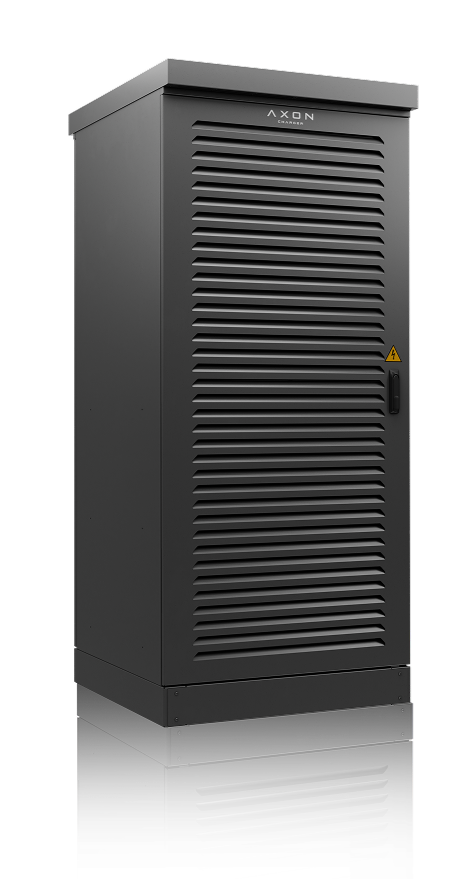
Centralised 480 kW Power Engine for High-Utilisation Charging Hubs. A modular high-power unit with built-in Dynamic Load Balancing — designed to supply multiple charging points from one intelligent, shared power source.




Why
Axon Side
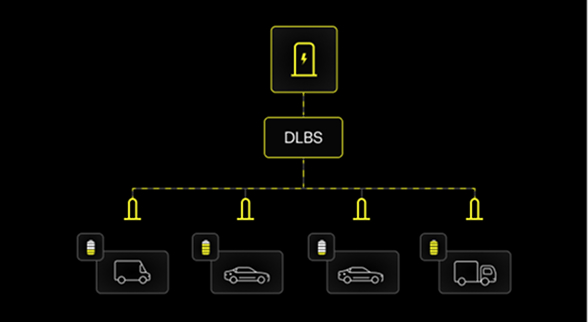
DLBS
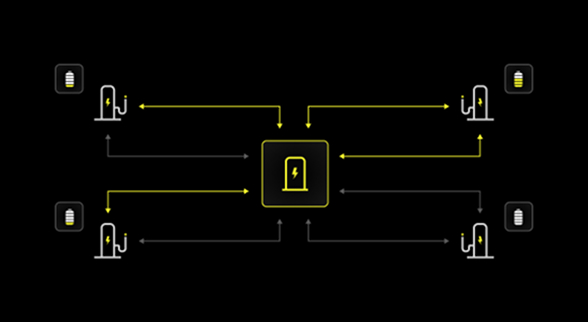
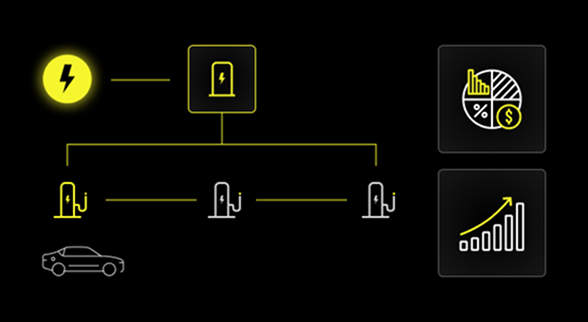
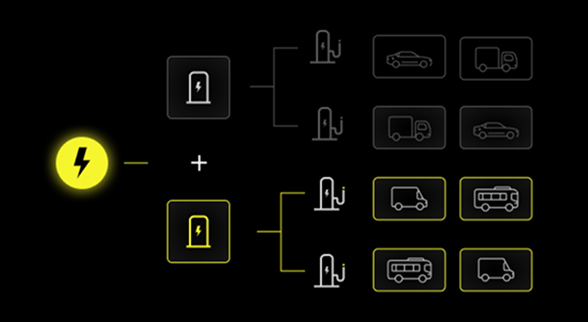
From a single 480 kW unit to multi-unit power pools, increasing total site capacity without redesigning infrastructure.
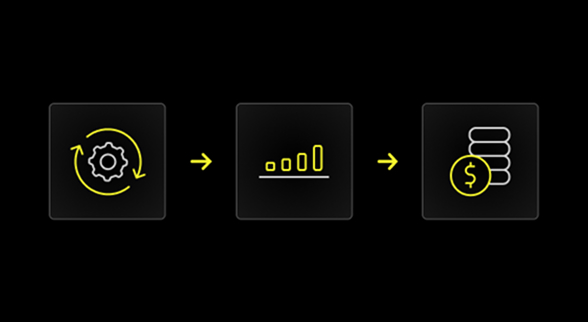
Dynamic allocation and reactive power compensation ensure contracted grid capacity is fully leveraged — no idle potential.
Compatible with Axon SAT, Axon SAT Box, Axon SAT HPC and Axon SAT MCS — supporting passenger vehicles, buses and megawatt-class trucks.
IP54 enclosure, <65 dBA noise level and -35°C to +55°C operating range ensure reliable performance in demanding environments.
Specification
Max. charging power
480 kW
Device type
Power Unit charging station
Maximum charging current per output
500 A
Maximum charging current per all outputs
1200 A
Number of outputs
1-6
Voltage range
150 – 1000 V
Plug & Charge
ready
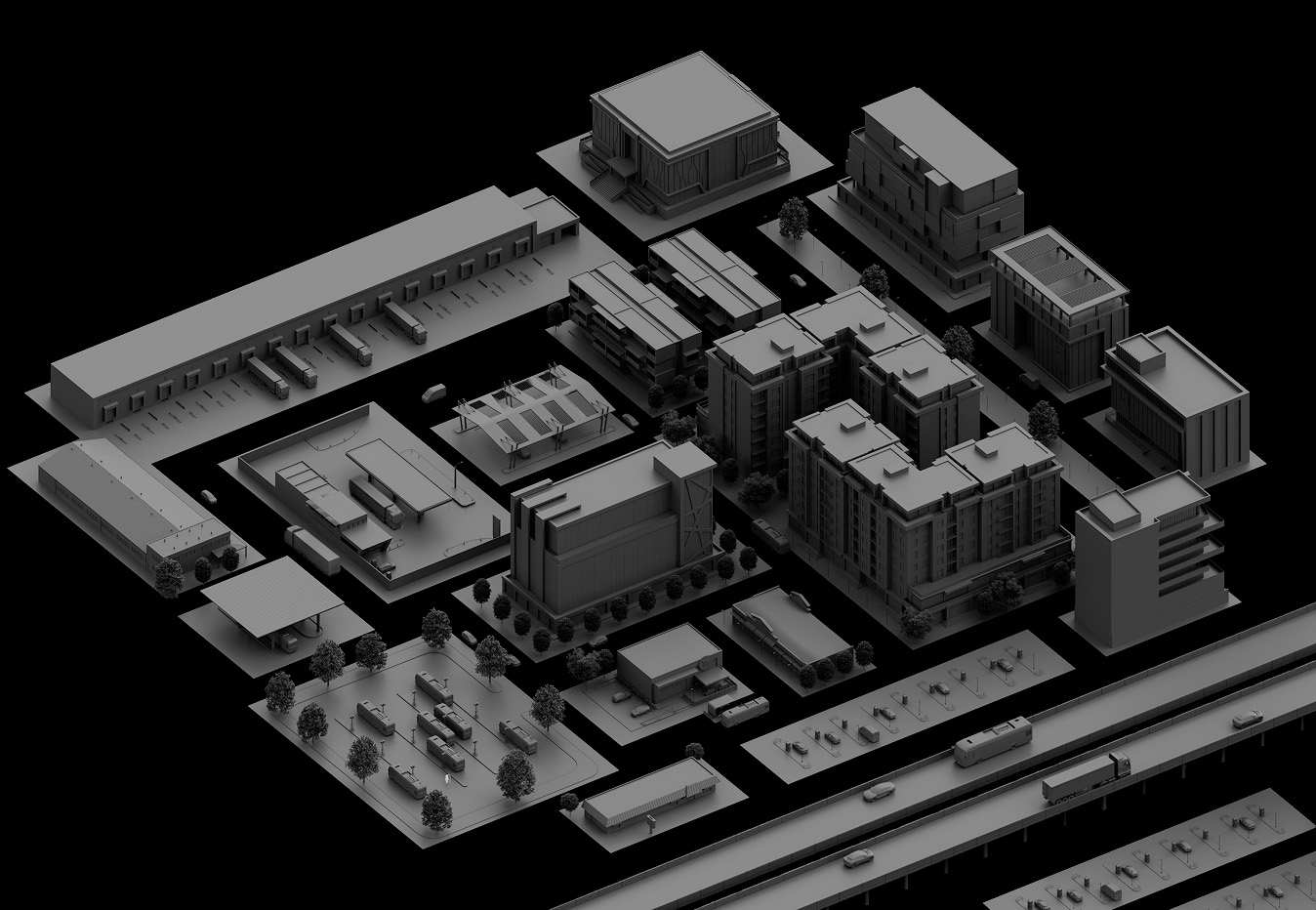
Where Axon Side DLBS works best
Axon Charger. All you need. Axon Charger. All you need. Axon Charger. All you need. Axon Charger. All you need. Axon Charger. All you need. Axon Charger. All you need. Axon Charger. All you need. Axon Charger. All you need.
Axon Charger. All you need. Axon Charger. All you need. Axon Charger. All you need. Axon Charger. All you need. Axon Charger. All you need. Axon Charger. All you need. Axon Charger. All you need. Axon Charger. All you need.
Axon Charger. All you need. Axon Charger. All you need. Axon Charger. All you need. Axon Charger. All you need. Axon Charger. All you need. Axon Charger. All you need. Axon Charger. All you need. Axon Charger. All you need.
Axon Charger. All you need. Axon Charger. All you need. Axon Charger. All you need. Axon Charger. All you need. Axon Charger. All you need. Axon Charger. All you need. Axon Charger. All you need. Axon Charger. All you need.

Feature
Value for Business
Up to 480 kW DC power
Higher throughput per installed power unit
Up to 6 outputs
Reduced infrastructure duplication
Dynamic Load Balancing (DLBS)
Increased utilisation of contracted grid capacity
High-efficiency power electronics (>96.5%)
Lower total cost of ownership
Split architecture
Flexible hub and satellite layouts
Wide voltage range (150–1000 V)
Multi-vehicle compatibility
Advanced communication (OCPP 2.0.1, IEC standards)
Seamless backend integration
Reactive power compensation
Improved grid interaction and stability